Address
304 North Cardinal St.
Dorchester Center, MA 02124
Work Hours
Monday to Friday: 7AM - 7PM
Weekend: 10AM - 5PM
Address
304 North Cardinal St.
Dorchester Center, MA 02124
Work Hours
Monday to Friday: 7AM - 7PM
Weekend: 10AM - 5PM

Choosing between graffiti and street installations as elements of urban art can be tricky. Both add creativity to city life, but they serve different purposes. This article explores their roles, helping you understand which might matter more for a city’s identity and vibe.
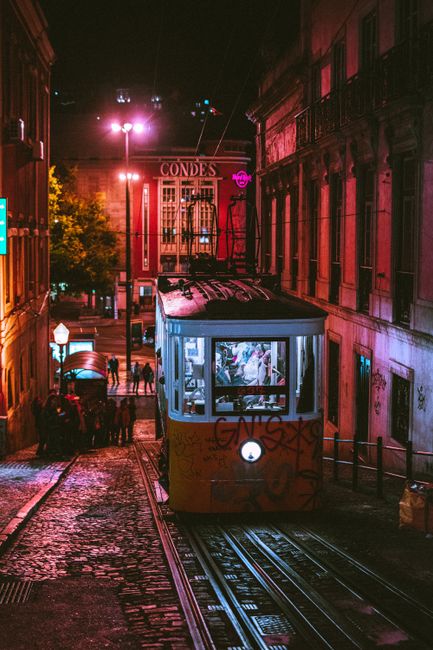
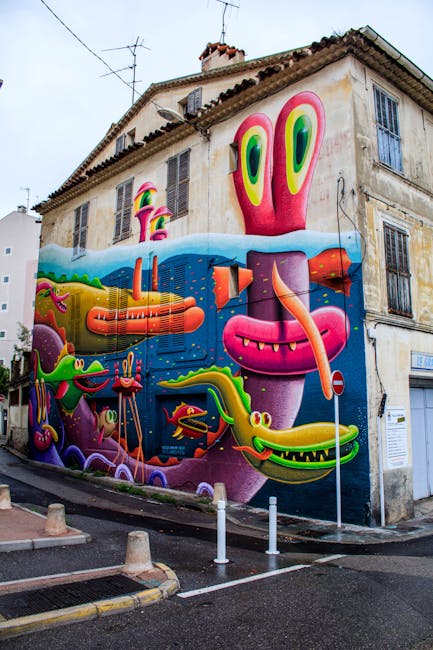
Graffiti is art created directly on public surfaces, often walls or buildings. It usually uses spray paint or markers and ranges from tags (signatures) to detailed murals. Graffiti brings color, voice, and personal expression to urban spaces.
In many cities across the U.S., graffiti has a strong cultural connection, often reflecting social issues or community pride. It’s raw, accessible, and can find a place anywhere on city streets.
Street installations are three-dimensional artworks placed in public places. They can be sculptures, interactive pieces, or even large-scale crafted objects. Unlike graffiti, installations often engage people differently—inviting touch, exploration, or simply providing a visual break in the cityscape.
Installations are usually planned and sometimes temporary, often created by professional artists or community groups. Their impact is more physical and can inspire curiosity and playfulness.
Urban art makes cities memorable. It can:
Understanding the strengths of graffiti and installations helps cities put resources where they get the most benefit.
| Aspect | Graffiti | Street Installations |
|---|---|---|
| Materials | Spray paint, markers, stencil tools | Wood, metal, fabric, found objects, mixed media |
| Purpose | Self-expression, social commentary, visual storytelling | Interactive experience, spatial transformation, playful engagement |
| Durability | Often temporary, can be painted over or removed | Usually more durable, sometimes temporary but physically present |
| Community Impact | Can be controversial but often creates strong local identity | More widely accepted, encourages public interaction |
| Ease of Creation | Lower cost, quick execution, often spontaneous | Requires planning, materials, and sometimes permits |
Graffiti allows urban voices to be heard without filters. It’s a form of free expression that welcomes beginners and experienced artists alike. For people who enjoy handmade crafts and DIY projects, like those who create their own jewelry or accessories, graffiti represents that same spirit of creativity but on a city-wide scale.
Graffiti can also inspire DIY enthusiasts by showing:
Street installations invite people to experience art physically. They often become landmarks or playful meeting points. For those interested in handmade projects, creating an installation requires learning new skills and thinking about space, materials, and interaction. This hands-on approach is rewarding and can encourage people to try new creative techniques at home.
Installations provide:
Expert advice from Sarah Meyers, Urban Arts Coordinator: “Starting with graffiti might feel intimidating, but it’s about expression, not perfection. For those interested in jewelry or accessories making, experiment with colors and shapes in small DIY projects before scaling up. Graffiti works the same way—plan your design, think about the space, and don’t fear making mistakes.”
Expert advice from James Carter, Public Art Sculptor: “Street installations require patience and materials knowledge. If you’re trying this at home, start with small sculptures or mixed-media crafts. It’s a great way to explore textures and building techniques that can translate into wearable art.”
Both forms add value, but their strengths serve different city needs. Graffiti excels at expressing culture quickly and directly. Installations transform spaces, making them interactive and memorable. For a city to feel alive, a mix of both works best.
Many cities benefit by:
Understanding mistakes helps both artists and city planners avoid frustration and waste.
Expert advice from Laura Kim, Community Art Facilitator: “Involve neighbors from the start. Their feedback shapes projects that everyone appreciates. Whether it’s a mural or a sculpture, making the process inclusive ensures the art lasts longer and means more.”
If you want to bring some urban art vibe into your own DIY projects, here are accessible materials you can try:
| Material | Advantages | Disadvantages | Best For |
|---|---|---|---|
| Acrylic Paints | Bright colors, quick drying, easy to clean | Can crack if thickly applied | Painting jewelry, small canvases |
| Polymer Clay | Lightweight, moldable, durable after baking | Requires oven for curing | Sculpted beads and charms |
| Recycled Wood | Eco-friendly, textured look | Needs sanding and finishing | Mini sculptures, pendant bases |
| Spray Paint | Vivid colors, quick application | Requires ventilation, overspray risk | Bold designs, larger surfaces |
| Wire and Metal Findings | Strong, adds structure | Needs tools and safety care | Frames, hanging accessories |
Take these simple steps to create unique accessories inspired by street art:
Graffiti and street installations serve different but important roles in shaping city culture. Graffiti offers spontaneous, raw expression accessible to many. Street installations provide lasting, interactive experiences that invite public connection.
For cities and DIY lovers alike, mixing these art forms enriches both public spaces and creative practices at home. Starting small with your own handmade projects can open doors to the vibrant world of urban art.
